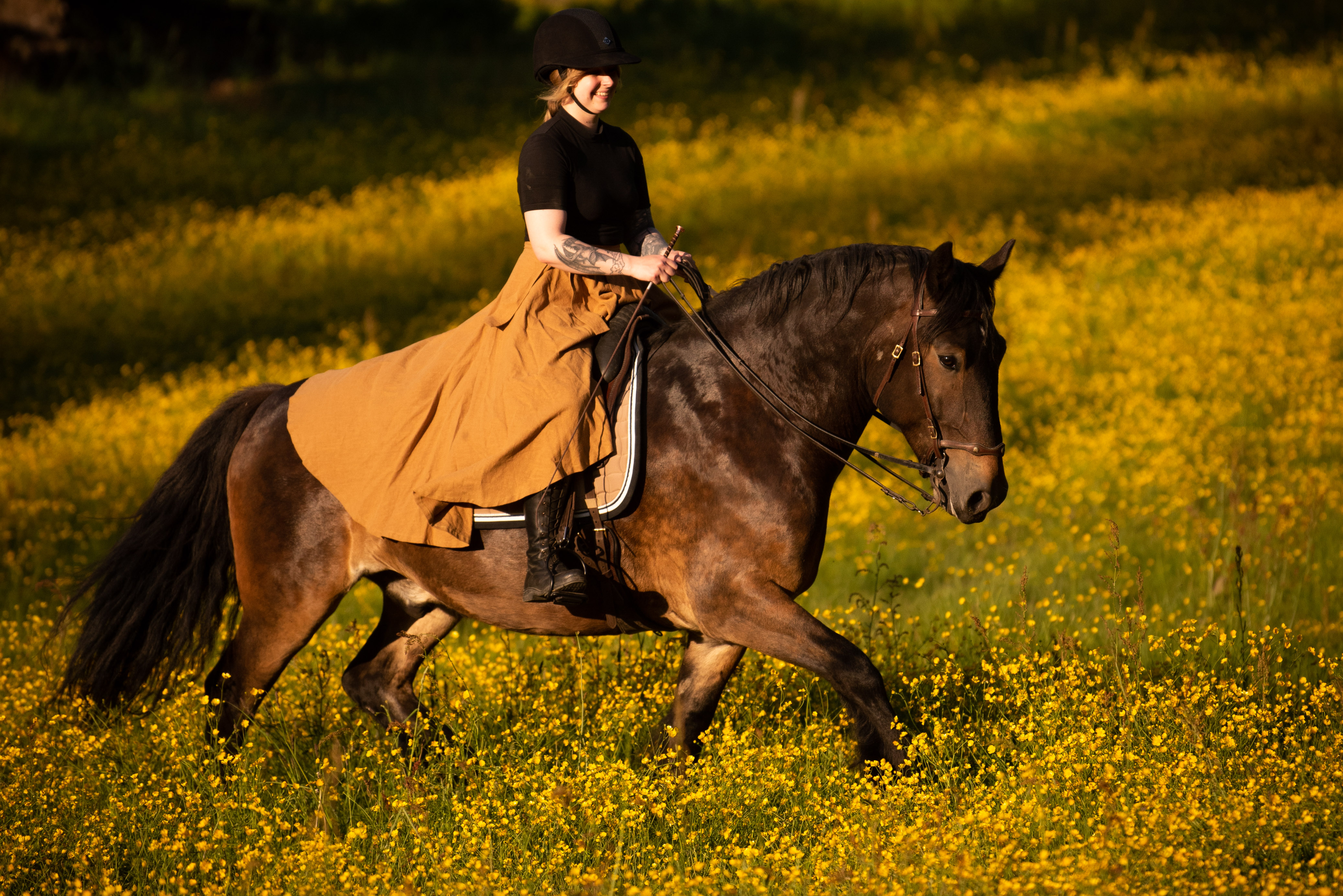
We equestrians have a very important job when we get up on our horses. We are riding horses because we think it’s fun, and to do so we are taking lessons our entire lives trying to become somewhat better. The most important thing a rider can do, in my eyes? Getting off their backs.

First I am going to apologize for my title. Because it is a little bit clickbait-y, and I do mean “get off their backs” as the idiom, and not because I want you to dismount your horse. Although, now that I think of it, a lot of riders would benefit from learning more about groundwork too.
get off someone’s back
in british english: informal
Collins Dictionary
to stop criticizing or pestering someone
Most equestrians are opinionated creatures, and a lot of our fights revolve around what is the right thing to do for our horses.
While we all believe horse abuse is wrong, we also believe we are doing the correct thing. After all, why on earth would I choose the wrong approach? Very rarely do we allow our beliefs to be challenged, as it would suggest we are doing something wrong – and the wrong thing must be abuse, because there’s only one right way. Right? So we cling to our ways, as if our life depended on it, even when presented with independent research papers and the laws of physics.
I am that kind of equestrian who consideres most modern equestian sports to be abusive. Not because of the sports themselves, but because of what a competative mindset from the rider does for the welfare of the horse. Yet, I do not care if you ride Western, English or some sort of historical in-between: as long as your horse has a healthy body and a healthy mind.
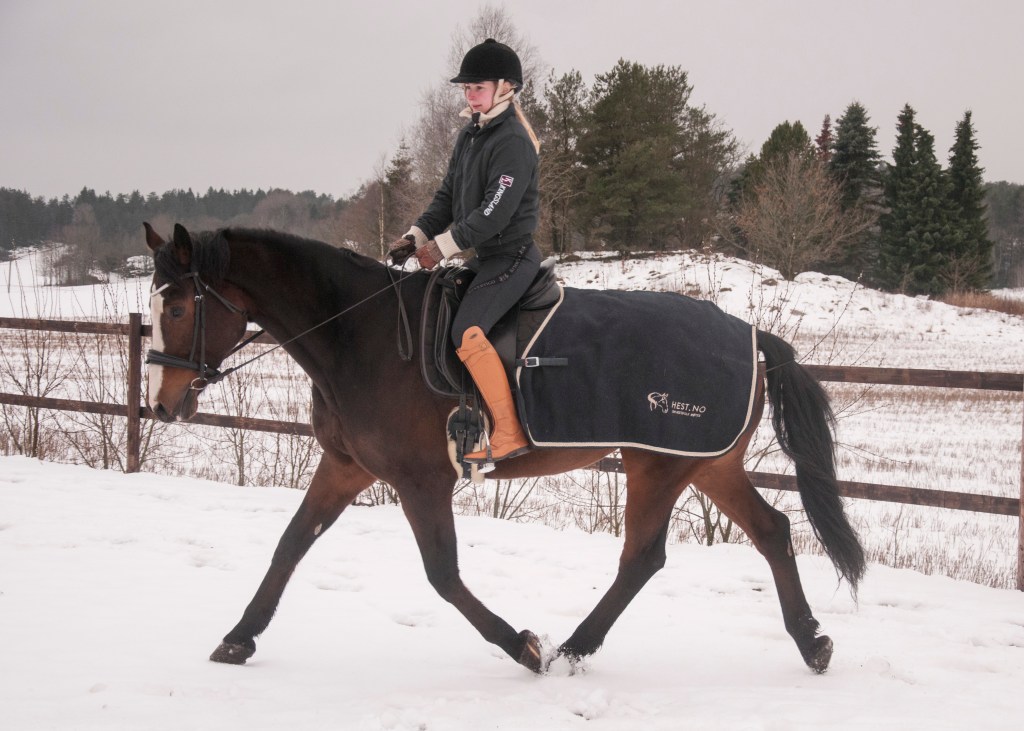
There is a lot of talk about how important it is to collect the horse, and how due to the shape of the horse, he carries 60 percent of weight on his front end, and only 40 percent on his hind. Or 70 percent versus 30 percent. Or whatever we have decided is correct now.
When se sit up on the horse, we are throwing this balance off because we are adding weight in the middle-to-front end. Most riders are told that we need to tell the horse to carry more weight on his hind, so we don’t create an unhealthy frame, and cause damage to the joints in his front legs. Which is true. To do so, a lot of riders end up working against the natural movements of the horse. They end up, to put it nicely, being in the way.
A rider that is in the way of the horse will create back problems, neck problems, all sort of joint issues in the front legs, their knees, their hips, the SI-joint, and not to speak of calcifications that show up on their mouth from hard hands. They will also experience a lot more protesting horses, which are upset because they don’t feel good with you up there on their backs.

Now, don’t get me wrong. I am very often in Brego’s way, so I am not claiming to be some natural talent here. He tells me off often, and I am doing my best to listen. What I simply want to imply is that there are ways for modern riders to encourage the horse to carry himself in a healthy frame, and you can achieve it by doing less.
If you are able to get your horse to carry himself proudly, so you’re simiply along for the ride, I belive your chances of having a healthy horse is far greater than if you are trying to dictate every single little step he takes. We see this a lot in English dressage, but absolutely elsewhere too: Riders who fight to get their horses where they want them, pestering them with cues for every step they take.
Horses seek balance, in both body and mind. A horse can and will move beautifully under rider, if he is allowed to. Sure, he needs some help along the way, because while he is born knowing how to move, he isn’t born to move with a rider, and we are the ones with the brain.

We have all become so obsessed with collecting the horse that we are getting in the way of a natural, healthy frame – the horse can have a rounded neck and his nose on the vertical and yet be pushed into all sorts of damaging positions. As equestrians we need to train our eye to look for equine pain faces, and to reward healthy riding.
What you achieve if you try to collect an unhealthy frame, is contortion, not collection, and we see it daily on social media. The only situation that would warrant such riding should be an emergency, and if you’re having hour long emergencies in the riding arena every day, something is truly off.
On the other hand, we also see insecure riders who are too afraid to guide the horse, and are being in the way for completely different reasons. Building confidence is not like climbing a ladder – it’s not a set amount of steps straight up. We all move and learn at different rates, and it is our trainers responsibility to help us feel secure and confident in our abilities, so our horse can carry us comfortably nontheless.
So what is a good rider? Do you need to have twenty years of experience, a well-bred horse and the funds to compete? No. To me, you’re a good rider if you’re not in the way, and are able to encourage your horse to carry you. Get off your horses back… without dismounting.
// Emma and Brego
 Emma Wold
Leave a comment